


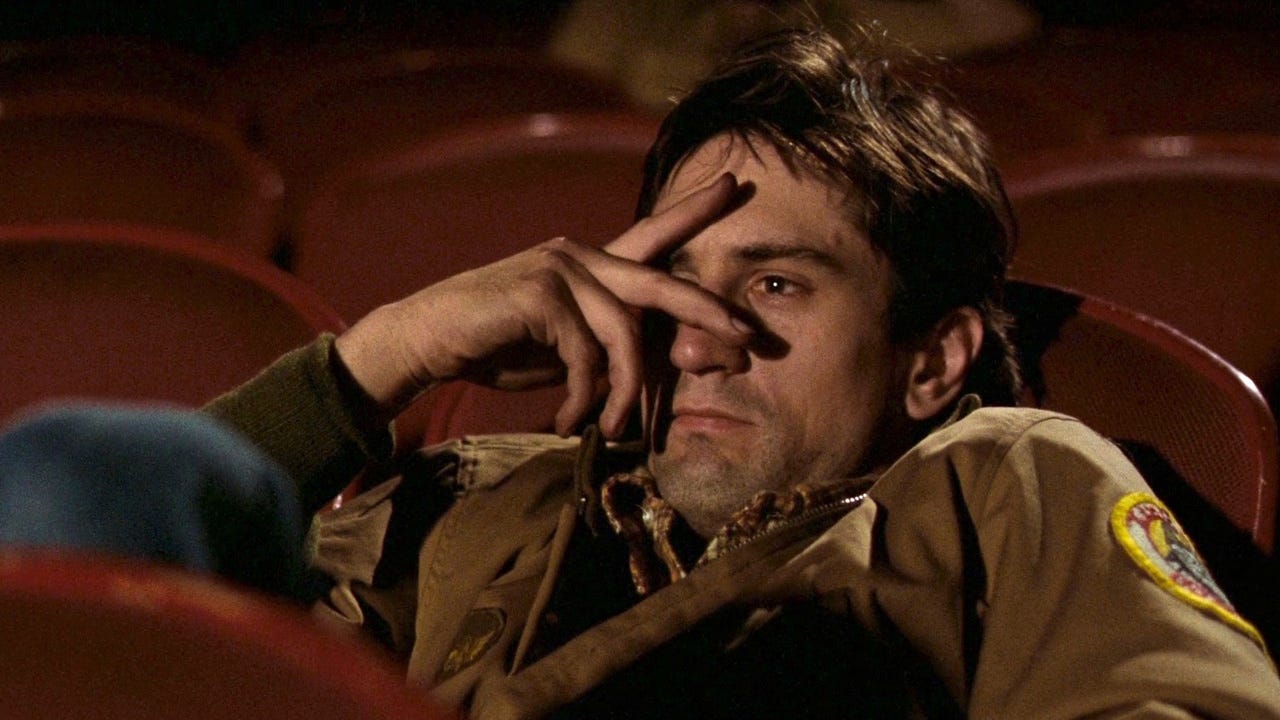
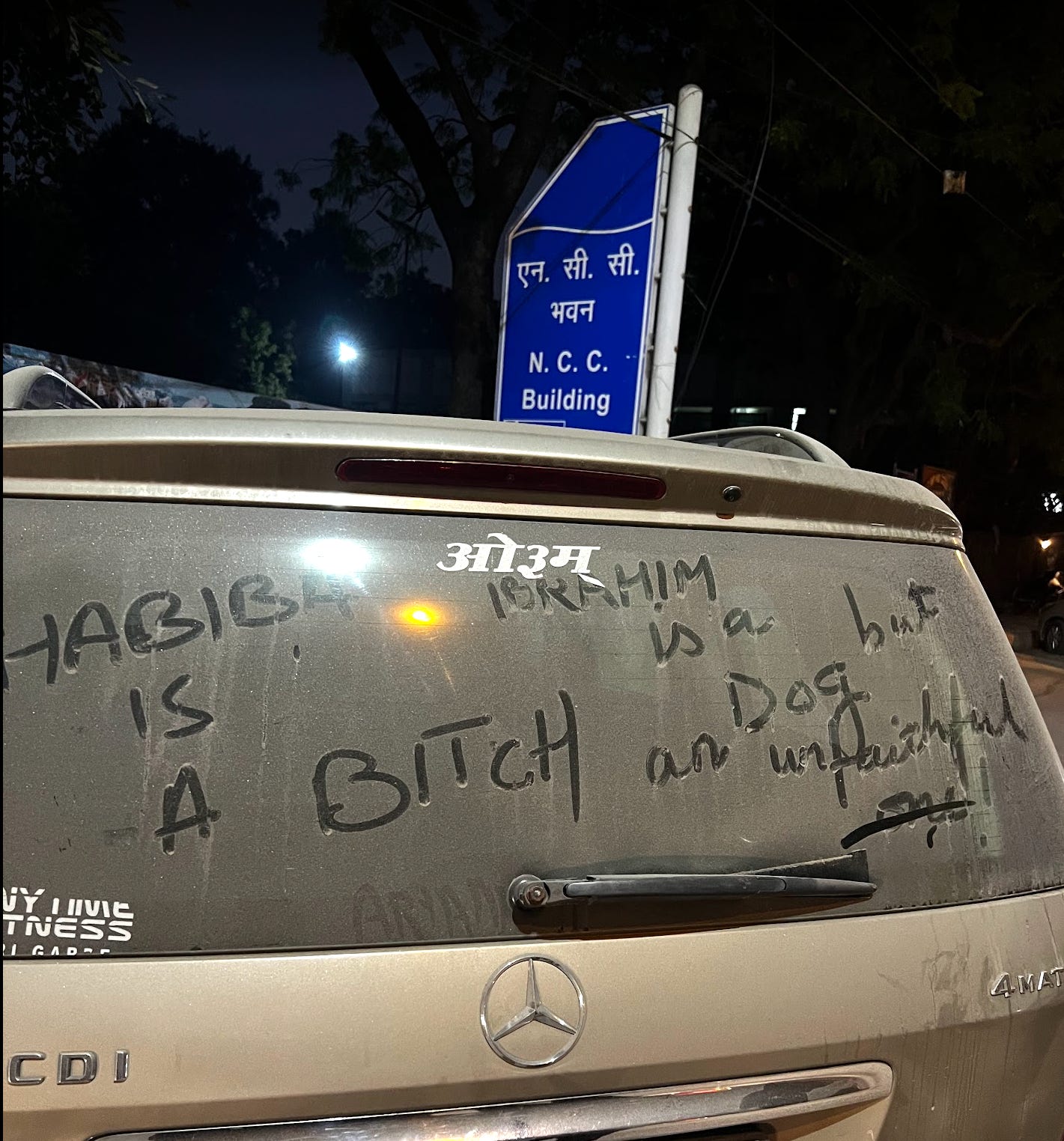
In 2010, I lived near NCC Gate in Humayunpur, a small urban village inside Safdarjung Enclave in South Delhi. More than the geography the term ‘South Delhi’ became a type that invokes the images of large houses, green avenues and people who can tell about the quality of avocados just by tapping on it three times. Humayunpur was cheaper backstage where students, lower income working professionals, call-centre employees, unsuccessful engineers and misfits lived there.( Well, mostly).
Delhi has many such neighbourhoods: Katwaria Sarai, Lado Sarai, Ber Sarai. The word sarai in Persian refers to an inn or resting place for travellers. Respecting the Persian roots of its name, everyone treated these places as waiting rooms.
Many migrants were preparing for competitive examinations, and these spaces became a stopover on their journey towards a government office, where they dreamed of someday sitting on a white-towelled chair, pressing a bell, and hearing someone enter within seconds to say, Hukum, sir.
Others who were not so ambitious worked in call centres. Many were engineering graduates who had failed to get placed at companies such as Infosys or Wipro. Some had cleared the placement process but were waiting for their joining letters. They spent their nights solving the technical problems of Americans and the day was reserved for solving their own problems.
Places like Humayunpur were museums of waiting where the present made no special sense, and whatever good was supposed to happen always existed in the future tense.
I was around twenty-one, an age at which time feels infinite and chasing your dreams appears to be a legitimate job. The difficulty is that, at twenty-one, you rarely know what those dreams are. You only know that they must be chased because society and pop culture told you that you must chase your dreams.
Popular culture presents the archetype of dream chaser as someone perpetually in motion, the one who is busy, determined, eyes glistening with purpose. He is someone who is staying hungry and staying foolish. In reality, chasing dreams also means you have too much free time in your hand and hence chasing dreams mostly involves being clueless, anxious and bored. Your eyes do not glisten. They slowly develop dark circles from the fatigue of waiting and by lingering scary thought that nothing good will ever happen.
I wanted to become a writer. I wanted to make films. I wanted to do something in what people vaguely called the ‘creative field.’ I could not articulate what that something was. In the meantime, I joined a call centre in Gurgaon and rented a barsati(top floor cheap room) in Humayunpur.
You could not enter Humayunpur from NCC Gate entry without first encountering the stench of a giant garbage container placed at its entrance. This was the neighbourhood contract. Before entering, you had to prove yourself worthy by inhaling the smell of wet garbage. Your endurance decided whether you belonged.
Now in 2026, Humayunpur became gentrified. It now has fashionable restaurants, sneaker shops and thrift stores. A different class of people visits it in search of fusion asian food, north eastern food (I know it’s not a monolith category) and a sabudana tea which cool people call as BobaTea.
But even now the old contract survives. The garbage dump is where it was 17 years ago. You must still inhale the garbage, almost as if you are snorting cocaine before entering a tough to enter techno club in Berlin.
Whenever I enter Humayanpur many memories bloom. The memories are not of any grand importance. I worked at a call centre in Gurgaon. A van picked me up from Humayunpur and dropped me back after my shift. Life looks nice in motion because it gives you the illusion that you are moving somewhere. I did not completely dislike the office because it had air conditioning. My barsati did not.
The Barsati room was on the fifth floor of a building without a lift. It was cheap because reaching it required suffering. This is one of the barter systems of life: if you agree to suffer more, the world now and then can offer you some discounts.
The room was small enough to contain my bed, a gas stove and some books. I cooked Maggi, followed by more Maggi, followed by yet more Maggi, until it felt as if every organ in my body had been preserved in MSG and I can shout- I am a love charger.
None of this happened because I had no possibility of living better. This is not a struggle story. The suffering was partly self-inflicted. I had somehow decided that deprivation was the GST fee for an artistic life.
I developed an alliance with suffering, almost a mahagathbandhan, because that was what I encountered in books and films. I read Knut Hamsun’s Hunger, Charles Bukowski’s Factotum, Camus, Raymond Carver and Dostoevsky’s novels about men wandering through St Petersburg in states of dream and metaphysical confusion. I watched Godard, Bresson and Aki Kaurismaki, Jarmusch. I moved through Humayunpur carrying the fragrance of every writer I had read and every filmmaker I was discovering. For some time , that fragrance was strong enough to cut through the garbage at NCC Gate.
There was something intoxicating about it. I was high on art and down with reality. When you are consumed by something like this then even failure acquires a certain grace. I remember an interview of an avant-garde filmmaker who said this- “there were times where nothing worked and you were hopeless but then sudddenly a mail comes from audience and that mail gives you enough fuel to carry on with your life. Atlease for a few months.”
Humayunpur was populated largely by Jat landlords, students and young professionals from the northeastern states. Most of my friends in the neighbourhood were from Assam, Manipur and Nagaland. They were navigating Delhi as though it were a foreign country.
They spoke about police harassment and the racist remarks thrown at them in autos, markets and streets. Sometimes a friend would return late at night and describe being stopped by a policeman, asked pointless questions and forced to argue for the right to walk back to their own room. This was before smartphones turned every confrontation into potential evidence. Most of these incidents were never recorded. They survive only in the memories of the people who endured them.
A friend from Assam introduced me to pork and to Raja Mircha, a chilli fully deserving of its royal title. We organised parties under the collective delusion that Old Monk was good rum.
The winter bonfires had the best playlists. My friends introduced me to Coke Studio, metal, progressive rock and bands I had never heard before. Much of my musical taste was formed beside those fires, during the innocent pre-AQI years when we breathed Delhi air without having the anxiety of breathing Delhi air.
This was also the time of the Main Bhi Anna movement. People walked around in Maharashtrian-looking caps, shouting slogans and saying that they too are Anna, dropping their individuality to become like a person who advocated for beating people who drank alcohol in his village. Delhi was filled with anti-corruption enthusiasm and the ones who would after 10 years would become future WhatsApp uncles.
As time passed, most of my friends found good jobs and moved to better neighbourhoods, while I remained there alone, still searching for the thing that would finally help me move out.
Across from Humayunpur was Deer Park. You could sit there eating Lay’s chips and drinking Coca-Cola while watching rabbits and deer. In the evening, it gave me a reason to descend the five floors of my barsati. I would occupy a bench and watch people.From somewhere in the distance, you can hear the faint sound of someone practising the guitar, or sometimes couples fighting against a backdrop of birds chirping.
Sometimes you can hear the sound of some confused local looking at deer and asking:
Yo barasingha aur hiran ek hi jaati ke hove kya?
(Are the stag and the deer from the same caste?)
One evening I was sitting there in a particularly sad mood when an old man stopped in front of me.
Why are young people so unhappy these days? Where have all the smiles disappeared?
He possessed the aura of a man who completed ten thousand steps every morning, drank aloe vera juice and removed excess oil from a puri by patting a napkin on it before eating it.
I told him that the times were like this.
He sat beside me and introduced himself. He asked what I thought of the park. I said that it was beautiful.
He then claimed that he had designed Deer Park with five or six other people. He had studied in London, he said, where they used to party a lot. This was my age for partying, and I should not be sitting alone on a bench looking defeated.
I told him that I had nobody to party with. Most of my friends had left the city.
He explained that once a person became comfortable with himself, every second of life became a party. As he continued speaking, his face seemed to blur and the face of Osho slowly appeared in its place.
I assured him that I would go somewhere and party that night.
From Deer Park, I travelled to My Bar in Paharganj. It was a sad, loud place and, for a certain period, one of Delhi’s great cultural institutions. It was like the Indian Habitat center for losers. I sat alone and attempted to force happiness upon myself. I drank a bottle of Kingfisher Premium and ate peanuts beneath as the apt music played in the background-- Dildara Dildara yeh ratti bhar ka jag saara. (Dildaara, Dildaara, this whole world means nothing to me.)
On my way home, I discovered that my wallet had been stolen. I had no money left.
I was now sadder than I had been on the bench.
That night taught me an important lesson: never force-feed happiness to yourself.
And I still follow that random wisdom which I gathered from a strange old man who claimed to have designed one of the most beautiful parks of Delhi. But did he? Perhaps we will never know.
You can also check out the video diary that I made on Ber Sarai:
And also the diary on CP:
"Indian Habitat Centre for losers"🤣🤣🤣
AMV's writing is getting wittier, deeper, more incisive and insightful. Delightful reading.